Who can claim JobSeeker Payment

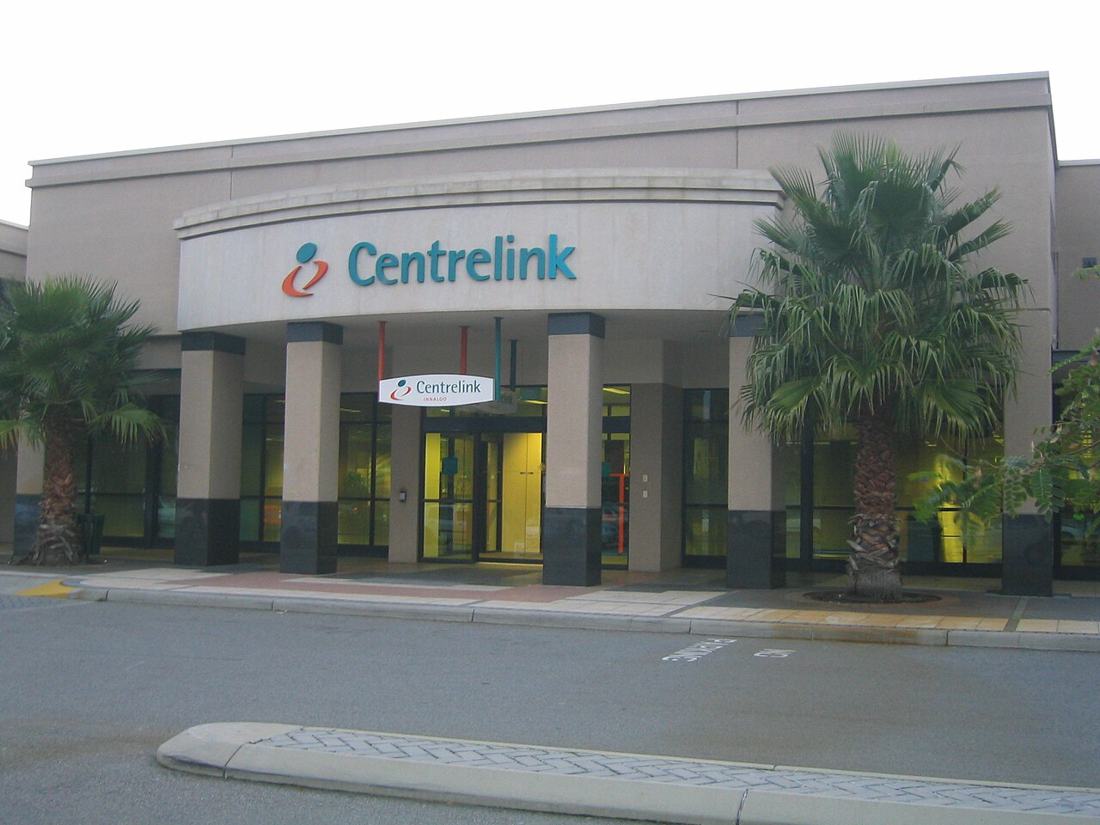

JobSeeker Payment is for people aged 22 to Age Pension age — currently 67 — who meet Australian residence rules and who are either unemployed and looking for work, or sick or injured and unable to do their usual work or study for a short time. You must also meet the income test and the assets test, and you must agree to and meet mutual obligation requirements. Those four tests — age, residence, situation, and means — are all separate, and failing any one of them means no payment, even if the others are satisfied.
The age rule
You must be 22 or older, and under Age Pension age. People under 22 are generally covered by Youth Allowance instead, and people who reach Age Pension age move to the Age Pension — see JobSeeker vs other benefits for the pointers. The upper end moves with Age Pension age itself, which is currently 67.
Two ways to qualify: looking for work, or temporarily unable to work
The usual route is unemployment: you are out of work and looking for a job, and you accept a Job Plan with job search and activity requirements. The second route is illness or injury: if you are sick or injured and cannot do your usual work or study for a short time, you can qualify with a medical certificate. This is a temporary route, not a permanent-disability payment — a permanent disability points towards the Disability Support Pension instead, which is a different payment with different rules.
Residence and other conditions
Australian residence rules apply, and you must not already be receiving another income-support payment for the same period. Full-time students generally do not qualify for JobSeeker — the student payments, Youth Allowance and Austudy, are the usual route there. A parent who shares care of a child for at least 14% of the time but is not the principal carer may still access the "single with a dependent child" rate; that is a detailed rule, and this site states it only as a possibility to confirm at claim, not as a guarantee.
Mutual obligations in brief
Most recipients must agree to a Job Plan and meet it: job search, activities, or a points target, depending on the plan. Exemptions exist for illness, caring responsibilities, partial capacity to work, and for some people aged 55 and over. The full picture is on the mutual obligations page. Consequences for not meeting requirements are described there only in general terms, because the detail depends on the individual's circumstances and history.